Traps Up at Dawn, Rolls by Noon: The Race Behind One Menemsha Lunch
There's a moment, usually around 11:30 a.m. on a July day, when the line at The Bite starts to form and somebody in a beach cover-up asks the question we hear a hundred times a season: how fresh is this stuff, really?
The honest answer is almost comical. Fresh enough that the guy who caught your lunch probably fueled up his boat at the gas dock next door. Fresh enough that the only thing separating your lobster roll from the ocean is a scale, a pot of boiling water, and about four hours.
We followed one day's catch through the whole chain to prove it. Here's how a Menemsha lunch actually happens.
5:40 a.m.: The Traps Come Up
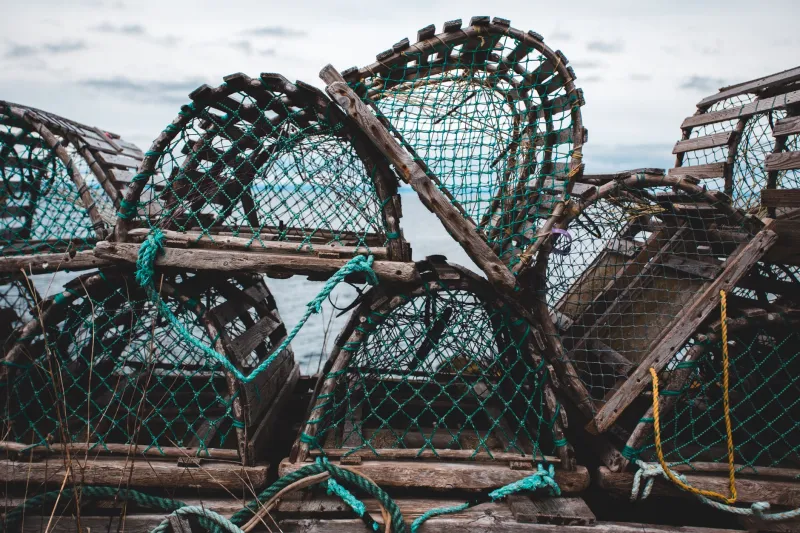
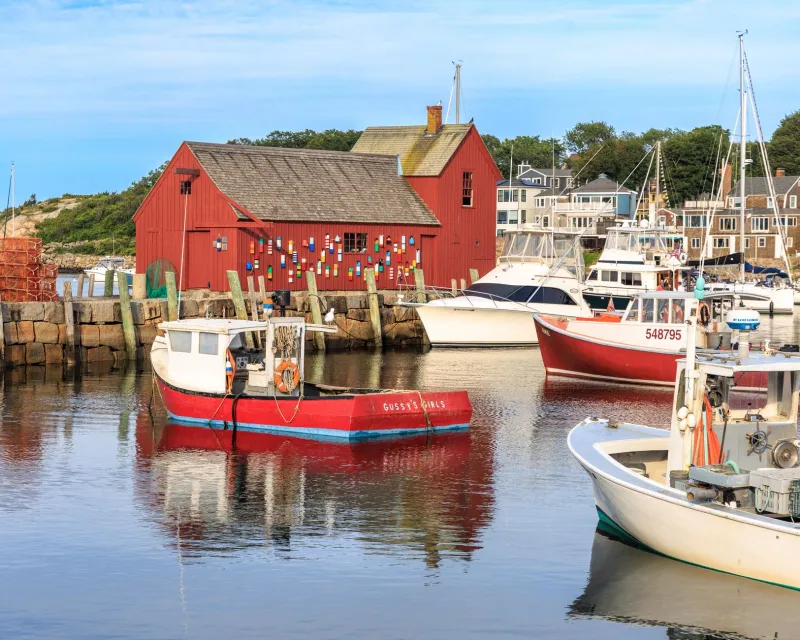
By the time the summer crowd is still asleep in their Chilmark rentals, the harbor's already working. Boats idle out past the jetty in the gray half-light, running their strings of traps in the waters off Aquinnah and along the Vineyard Sound side.
A lobster boat's morning is rhythm, not drama. Haul the trap, bait it, toss it back, stack the keepers in the tank, toss the shorts and eggers over the side. Do it forty, sixty, eighty times. The catch that matters gets measured right there on the boat — carapace gauge in hand, because a lobster a quarter-inch under the legal limit goes back, no arguments.
"People think fishing is romantic," one fisherman told us, shrugging over a thermos of coffee. "It's math. You count traps, you count pounds, you count fuel. The romance is what you tell your girlfriend."
That math is why "day boat" isn't just a marketing word here. A day boat means the boat goes out and comes back the same day. No week-long trips, no frozen holds, no warehouse in the middle. What comes over the rail in the morning is on the dock by mid-morning, full stop.
9:00 a.m.: The Scale Doesn't Lie
The fish market at the harbor is the hinge of the whole operation. Boats tie up, totes come off, and everything gets sorted: lobsters by size and hardness, quahogs and steamers by count, finfish by species and condition. The scale runs all morning.
This is where proximity stops being a buzzword and starts being a system. A fishmonger working a day-boat catch can look at a fish and know it was swimming yesterday. The gills are red. The eyes are clear. The flesh hasn't had time to go soft. When a restaurant order comes in from a shack fifty feet down the harbor, there's no negotiation over ice or age — there's nothing to negotiate.
"If it doesn't look right, I don't sell it," the market manager told us. "Where am I gonna hide? Everyone here knows everyone. My reputation walks into that clam bar every single day."
In a tourist economy with a season that runs roughly Memorial Day to Columbus Day, reputation is currency. Screw up one batch of scallops in July and the summer crowd — the same crowd that posts everything — will remember until Labor Day.
10:45 a.m.: Into the Pot
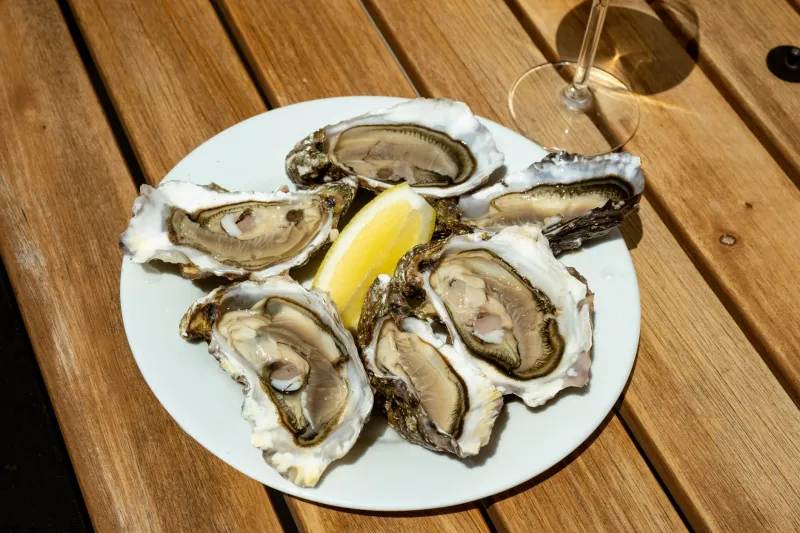
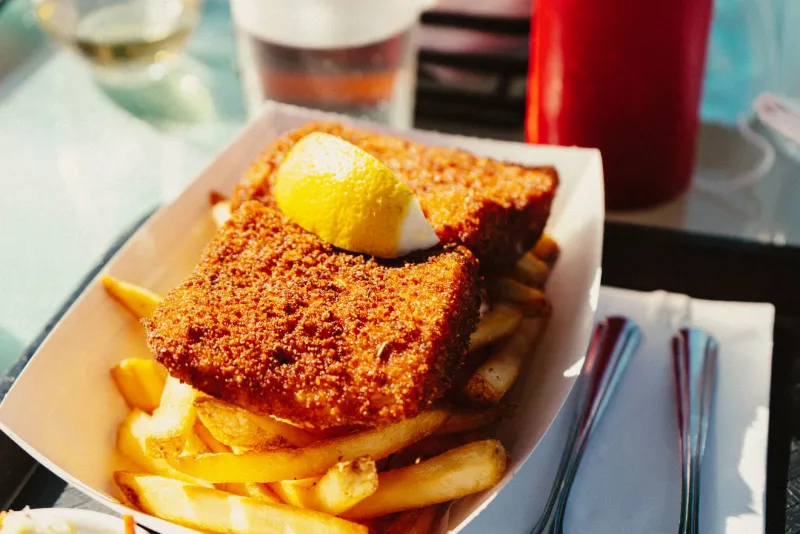
Back at the counter, the morning's catch becomes the chalkboard menu. Lobsters go into the seawater bath. Quahogs get shucked for chowder. The day's finfish gets dusted and dropped into the fryer as soon as the oil hits temperature.
The short season shapes everything here in ways visitors don't always see. Because the window is so tight, nobody's freezing product to "save" it. There's no point — you'd be banking inventory against a season that ends whether you're ready or not. You sell what the boats bring, and when it's gone, the chalkboard gets erased.
That's also why the menu shifts. Some weeks the fluke is thick. Some weeks it's the scup. Regulars know to ask what came in this morning rather than what's listed, because the list is really just yesterday's answer.
12:15 p.m.: Your Number Gets Called
So when that paper boat lands in your hands, here's the actual timeline: the lobster was in a trap in Vineyard Sound six or seven hours ago. It was weighed at the market before most people finished their second coffee. It was cooked while the first customers of the day were still debating butter versus mayo.
No plane. No distributor in New Bedford. No warehouse. Just a harbor small enough that every hand that touched your lunch knows every other hand by name.
That's the thing about eating in Menemsha — you're not just close to the water. You're close to the whole story. And honestly? You can taste the difference.
Come hungry, come early, and don't be shy about asking what came off the boats this morning. The answer changes daily — and that's exactly the point.