Read Between the Fillets: A Practical Guide to Menemsha's Daily Catch Board
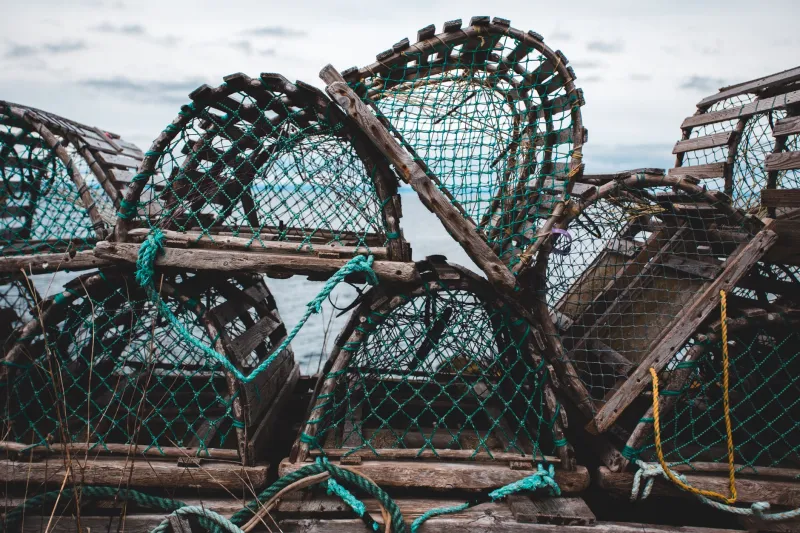
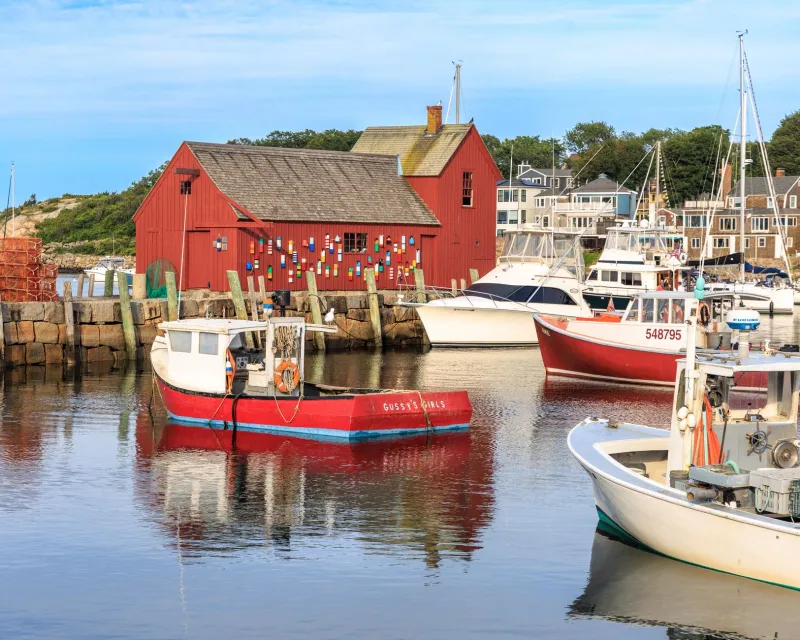
In Menemsha, the menu is not really a menu. It is a chalkboard, a whiteboard, or a sheet of paper taped near the register, and it has a habit of changing while you are standing there. That is not a problem. That is the whole point. The daily catch board is the closest thing this harbor has to a live feed from the boats, and learning to read it is the difference between ordering a fine piece of fish and ordering the thing that happened to be on top of the ice.
You do not need to become a seafood snob to do this. You just need a few good questions, a little patience, and a willingness to treat the person behind the counter like a person instead of a search engine.
Start With What Is Missing
The first rule of the catch board is simple: do not assume it tells the whole story. A board might list striped bass, bluefish, fluke, and a couple of shellfish options, but that does not mean those are the only things in the case. It also does not mean the fish at the top of the list is the freshest. Boards get arranged by habit, by space, by price, or by whatever was easiest to write legibly at 6 a.m.
So before you point at something, ask what came in today. Then ask what came in yesterday. That second question is the one most people skip, and it is often the one that gets you the most useful answer. If the person behind the counter says the scallops are from yesterday but the bluefish is from this morning, you have learned more in ten seconds than you would from any fancy label.
The Words You Will See, and What They Actually Mean
Day boat
This is one of the most misunderstood terms on any seafood board. Day boat generally means the boat went out and came back within a day, rather than staying offshore for a longer trip. That can be a good sign for handling and freshness, because smaller trips often mean less time in the hold and more careful attention to the catch. But it is not a magic word. It does not automatically mean the fish was caught within sight of the Menemsha jetties, and it does not tell you when it was filleted. If the board says day boat, follow up with a simple question: when did it come in?
Local
Local is a warm, friendly word that can mean a lot of things. It might mean caught around Martha's Vineyard. It might mean landed elsewhere in New England. It might mean the fish was processed nearby. None of those are bad, but they are not identical. If local matters to you, ask where it was caught. If the answer is vague, that is not necessarily a scandal. It just means local is doing a lot of work in that sentence, and you should let it.
Just off the boat
This phrase is about timing, not poetry. It usually means the fish arrived recently, but recently can mean this morning, last night, or yesterday afternoon depending on who is writing the board and when. The better question is not 'Is it just off the boat?' but 'What would you put on your plate right now?' That gets you a recommendation instead of a label. It also gives the fishmonger a chance to steer you toward something they are genuinely excited about.
Fresh
Fresh is another word that deserves a follow-up. In most seafood counters, fresh means never frozen, but ask if you are unsure. Some fish are frozen at sea and still excellent. Some fresh fish have been sitting a day longer than you would like. The board is a starting point, not a legal document. Use your eyes, your nose, and the advice of the person selling it.
The Order to Ask Questions In
When the line is short, start with the catch. Ask what is local and what came in most recently. Then ask what the counter would recommend for the way you plan to cook it. If you are grilling, say so. If you are making ceviche, say so. If you are driving back to Edgartown and the fish will sit in a cooler for an hour, say that too. The answer changes depending on the plan.
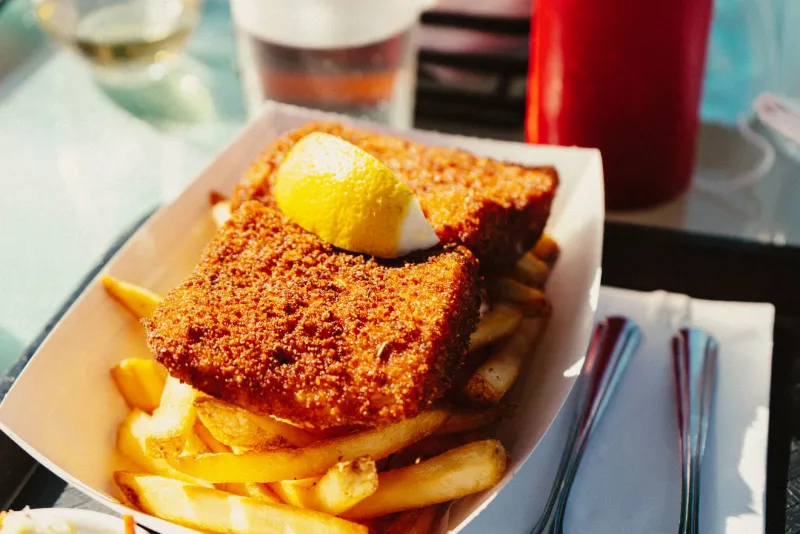
If you are buying whole fish, ask them to show you the eyes and the gills. If you are buying fillets, ask when they were cut. If you are ordering cooked food, ask what travels best. A fried clam plate and a delicate piece of fluke do not behave the same way in a takeout box. None of this is fussy. It is just how you get a better lunch.
Time Your Order Around the Boats
Menemsha runs on boat schedules, weather, and summer traffic. The board is often most interesting earlier in the day, after the first landings have come in and before the lunch rush has picked the case clean. If you are staying nearby, a midmorning stop is often better than a noon stop. If you are coming for dinner, call ahead or ask when the next landing is expected. The answer might be 'tomorrow morning,' and that is useful information.
Weekends are their own weather system. The harbor gets busy, the parking gets creative, and the person behind the counter has about four hundred things happening at once. That is not the moment for a twenty-minute seminar on fish handling. Ask your two best questions, make a decision, and get out of the way. You can always come back tomorrow. The board will be different anyway.
A Quick Fish Cheat Sheet, No Snobbery Required
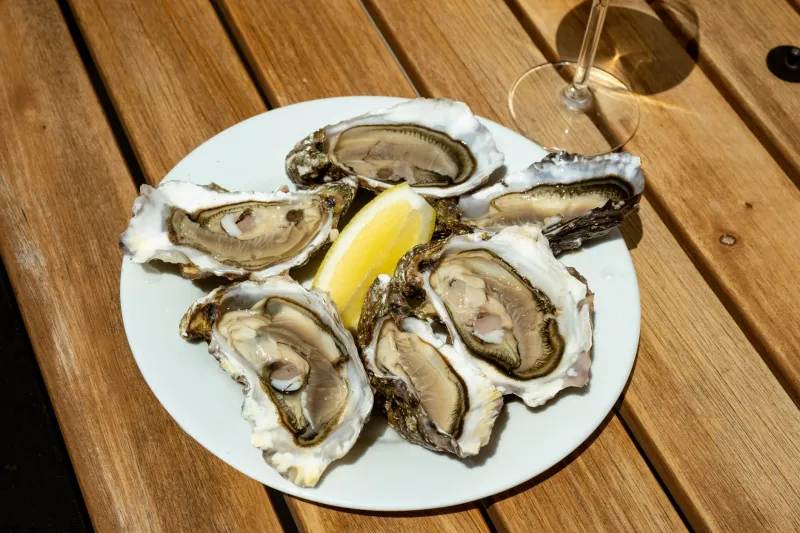
Striped bass is firm and rich, good for grilling or roasting. Bluefish is oily and assertive, best when it is very fresh and best when you eat it soon. Fluke is mild and delicate, which makes it forgiving for people who think they do not like fish. Sea bass is sweet and versatile. Scup is underrated, especially whole. Tautog is firm and meaty. Cod is mild and familiar. Shellfish is its own conversation: ask about the quahogs, ask about the scallops, ask what was landed locally. You do not need to memorize this. You just need to know that different fish want different treatment.
How to Order Like You Have Been Coming for Years
Be direct, be kind, and do not ask for 'the freshest fish' as if it is a secret password. Ask specific questions. What came in today? What is local? What would you cook tonight? Then listen. If the answer is not what you expected, take the hint. If the board changes while you are standing there, congratulations. You are in the right place.
The catch board is not a test. It is a conversation between the harbor and the shack, and you are just lucky enough to be standing in front of it with a little cash and an appetite. Read it, ask about it, and order accordingly.