Standing Room Only: Why the Best Menemsha Fried Clams Never Make It to the Dunes
Here is the least romantic advice you will get all season: the beach is a terrible dining room for fried food.
Not because of the view. Obviously not. It’s because a paper tray of fried clams is a small, fragile climate. The crust wants to stay dry. The clam inside wants to release steam. Those two desires are in direct conflict from the second the basket leaves the pass, and every minute after that, the steam wins.
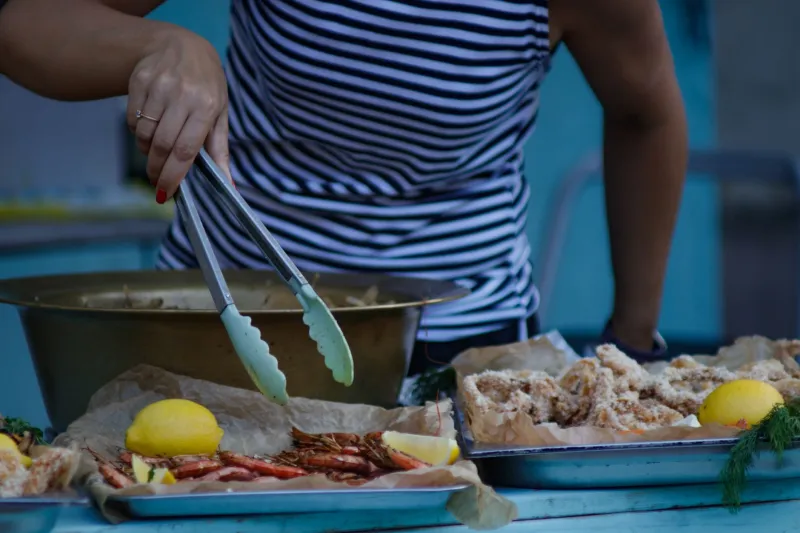
At a Menemsha fry window, you can watch the whole drama play out. The first clam is a shatter of hot brine and crunch. The fourth is still good. The tenth, if you have walked far enough, tastes like a memory of the first one. That is not a knock on the fry cook. It is physics, and physics does not care about your beach blanket.
The Five-Minute Rule, Explained Without a Lab Coat
Think of the rule as a boundary, not a stopwatch. Five minutes is roughly the window in which a fried clam, a fried oyster, or a fish sandwich still tastes like what the fryer intended. After that, you are eating something else — still edible, still pleasant in a soft, salty way, but no longer crisp.
Three things speed the decline:
- The closed tray. Paper and cardboard trap moisture. Vent holes help. They do not perform miracles.
- The pile. Clams stacked on clams create their own little steam room. A single layer cools fast; a mound cools slow and steams itself.
- The wind. Beach wind feels great on your face and terrible on your lunch. It cools the crust before the inside has stopped steaming, which sets up a soggy middle and a leathery edge.
Sand is the fourth enemy, but sand is at least honest about it.
A Timing Plan That Respects the Fryer
The fix is not complicated. It is just a matter of ordering in the right sequence.
Order when you are hungry, not when you arrive. If you queue up the moment you park, then spend twenty minutes deciding where to sit, you have already spent your crispness on logistics. Browse the harbor first. Watch the boats. Work up an appetite. Then get in line.
Eat at the shack. Menemsha has picnic tables, railings, bulkheads, and plenty of standing room with a view. Use them. A fried clam eaten standing up, looking at the harbor, is not a compromise. It is the correct format.
Send one person, not the whole crew. A tray that sits on a counter while four people debate condiments is a tray losing its edge. One person orders, one person carries, everyone else finds a spot.
Keep the tray open. Do not clamp the lid down for the walk. Let the steam escape. If you are carrying food any distance at all, carry it open and level, and accept that you look a little ridiculous. The clams appreciate it.
Sauce on the side. Tartar, ketchup, malt vinegar — ask for them in cups. A pre-sauced clam is a clam that has given up.
What to Order If You’re Walking
Sometimes you really do want to take lunch to the dunes. Maybe the kids are already halfway there. Maybe the tide is right. Maybe you have a cooler and a blanket and a whole afternoon planned.
If you are walking, order for the walk.
A fish sandwich travels better than a pile of whole-belly clams. The fillet is thicker, the crust has more structure, and a toasted bun insulates better than paper. Ask for the tartar on the side and assemble it when you sit down.
Clam strips are more forgiving than whole bellies, even if they are less exciting. The narrower cut sheds heat faster and holds crunch longer.
Fried scallops are a decent middle ground — dense, sweet, and less likely to collapse into dampness than a soft clam belly.
What should you skip? A mountain of fries under a lid. Fries are steam’s favorite food. If you want fries, eat them at the shack and walk afterward. And if the walk is longer than five minutes, consider eating first and beachcombing second. The dunes are not going anywhere. Your crust is.
The Shack Versus Ten Minutes Later
I have run this comparison more times than I care to admit, always in the least scientific way possible: one tray at the picnic table, one tray carried toward the jetties, a check-in at the five-minute mark.
At the shack, minute one: The clam is almost too hot to eat. The crust shatters against your teeth. The belly is briny and soft. The whole thing tastes like the harbor and the fryer at the same time. This is the version that makes people plan their summer around a lunch window.
At the shack, minute five: Still crisp at the edges. The center has softened just enough to feel like a clam instead of a molten secret. Honestly, this might be the sweet spot. The heat has calmed down. The flavor has opened up.
Ten minutes later, at the beach: The paper tray has gone translucent in one corner. The crust is no longer shattering; it is yielding. The fish sandwich bun has started to steam itself into a soft, sad pillow. The fries are limping. Everything is still salty and fried and, yes, you will eat it. But you are eating the idea of lunch rather than lunch itself.
That is the honest comparison. Fried food does not become inedible in ten minutes. It becomes ordinary. And ordinary is a waste of a good fryer.
The Rule, Restated
The five-minute rule is not anti-beach. It is pro-fryer. It says: respect the window between the basket and your mouth. Eat the clam while the clam is still a clam. Then go to the beach with a cooler full of drinks, a bag of chips, and no fried food to mourn.
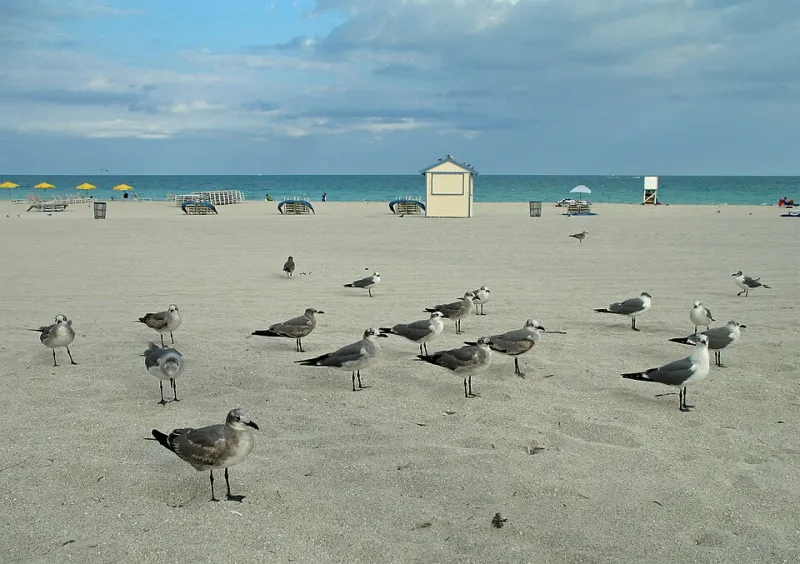
Menemsha will still be there when you finish. The dunes will still be there. The gulls will definitely still be there. Your fried clams, unfortunately, will not wait around for you to get comfortable.
Eat them standing up. That is the whole secret.