Guard the Roll: A Menemsha Beach Plan for Outsmarting Harbor Gulls
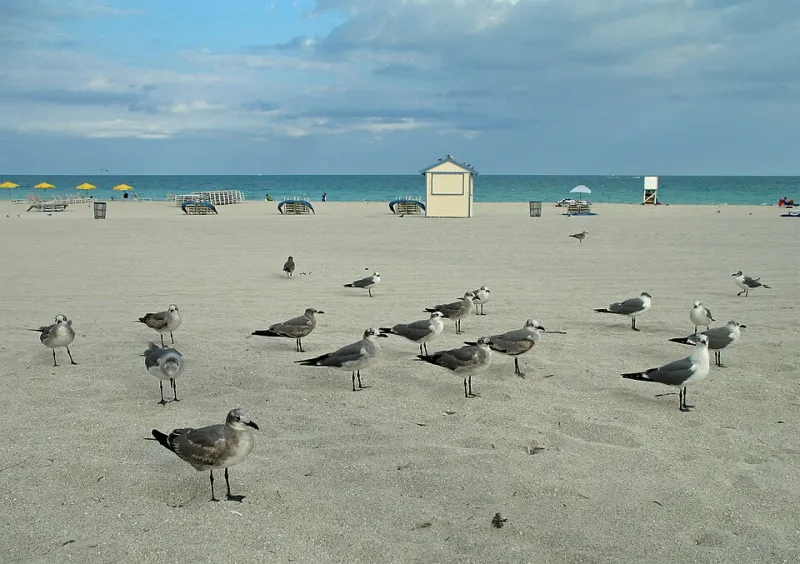
Photo: Marc Ryckaert, CC BY 3.0, via Wikimedia Commons
The gulls of Menemsha Harbor are not random opportunists. They are regulars. They know the rhythm of the lunch rush, the squeak of a styrofoam clamshell, and the exact moment you look away to wipe mustard off your sleeve. They are not evil. They are professionals.
That does not mean you have to hand over your lobster roll like a tribute. Eating on Menemsha Beach is one of the great small pleasures of a Martha's Vineyard summer, and it should not require a helmet and a decoy sandwich. With a little strategy, you can enjoy the view, the fried clams, and the salt air without hosting an uninvited buffet for the harbor's boldest residents.
Pick a Seat That Isn't a Bull's-Eye
Location is your first line of defense. The open sand in the middle of the beach is beautiful, but it is also a stage. Gulls can approach from every angle, and you will spend half your meal doing a perimeter check instead of enjoying your chowder.
Look for a spot with a natural barrier — near a dune fence, beside a packed cooler, or close to a group of people who are also eating. Gulls are bold, but they are not fans of crowded geometry. Sitting with your back to something solid, like a jetty wall or a parked beach cart, cuts down the number of approach lanes. Picnic tables near the shack can work, too, but only if you keep your food close and your napkins weighted down. A gull does not need a lot of room to make a bad decision.
Avoid the classic mistake of setting up alone at the edge of the crowd with a wide-open spread. That is not a picnic. That is a landing strip.
Cover Your Assets, Especially the Fried Ones
A food cover sounds fussy until you watch a gull lift a french fry out of a paper boat with the precision of a surgeon. You do not need fancy gear. A clean dish towel, a reusable beeswax wrap, or a plastic clamshell lid can do the job. The goal is simple: if you are not actively eating it, it should not be fully exposed.
Keep lids on chowder and drinks. Put the lobster roll back in its container between bites, or at least hold it close enough that a bird cannot swoop in from the side. Fries are the biggest liability. They are light, they are salty, and they scatter. A gull can grab one and be gone before you register the wingbeat. Eat them first, share them with your group, or weight the container down with a water bottle.
And please, do not leave a half-eaten basket on the sand while you go rinse your hands. That is not a break. It is an invitation.
The Eyes Have It
When a gull locks eyes with your fries, you will feel it. There is a moment of silent negotiation. The bird will stand a few feet away, tilt its head, and pretend to be interested in something else. It is not interested in something else.
Do not scream. Do not throw a fry at it. Do not do the panicked arm-flap, which looks aggressive to the bird and confusing to everyone else on the beach. The best move is boring: close the container, hold your food closer, and keep your eyes on your plate. Most gulls will move on if the payoff disappears. If one gets persistent, stand up slowly. You do not have to chase it. You just have to remind it that you are bigger and that lunch is not a drive-through.
If a bird actually lands on your table, give it a wide, calm step back and wait. Gulls are not interested in a fight. They are interested in an opening. Take that away, and they will usually lose interest.
Timing Is Half the Battle
The busiest lunch hours draw the most people, which means the most dropped fries and the most gull attention. If you want a calmer meal, eat a little earlier or a little later than the peak. A late-afternoon snack on the beach can be lovely, and the gulls are often less frantic once the main rush has passed.
Watch the wind, too. A breezy day sends napkins and wrappers skittering across the sand, and a loose wrapper looks like a food signal. Keep your trash bag tied and your loose papers weighted down. The less your lunch looks like a yard sale, the less interesting you are.
Local Etiquette: Don't Feed, Don't Flail, Don't Blame the Shack
It can be tempting to toss a fry to a gull because it is funny for about two seconds. It is not funny for the next person. Feeding gulls teaches them that people equal food, and that makes lunch harder for everyone — including the folks working behind the counter who have to watch the same birds patrol the picnic area all afternoon.
So keep the food for yourself. Clean up your spot. If a gull wins a fry, let it go. The harbor has enough drama without a human-bird standoff. And if someone else loses a bite to a gull, offer a sympathetic nod, not a lecture. We have all been there.
When the Bird Wins Anyway
The truth is, you will probably lose a fry. Maybe a corner of a bun. It happens. The gulls have been perfecting this routine for generations, and you are just visiting. The good news is that a lost fry does not ruin a Menemsha lunch. The view is still there, the boats are still bobbing, and the chowder is still hot.
So pack a towel, keep a lid handy, sit with your back to the wind, and eat your lobster roll like you mean it. The gulls can have the dropped fries. You keep the good stuff.