The Short Menu Season: Why Menemsha Eats Better Once the Crowds Go Home
Photo: Menemsha harbor Martha's Vineyard November fishing shack quiet harbor, via wou.edu
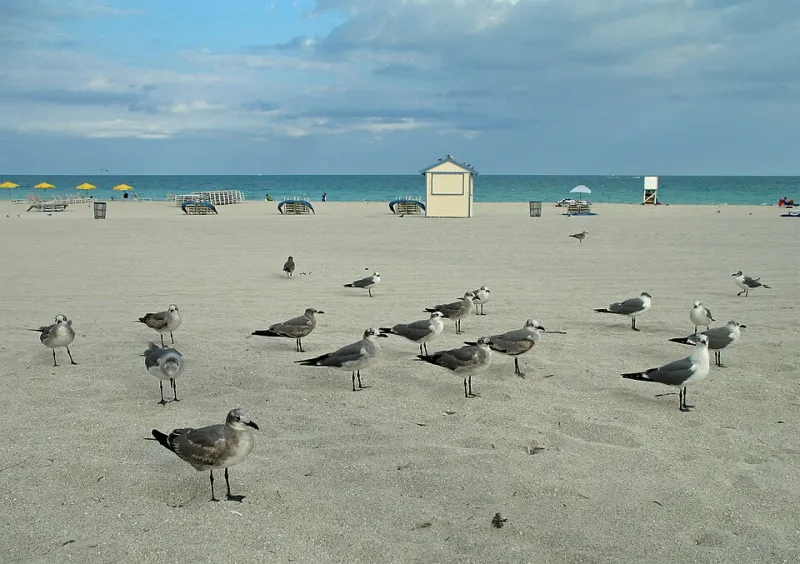
There is a particular sound Menemsha makes in November. It is not silence, exactly. It is the clink of a halyard against a mast, the low idling of a pickup outside a fish market, the squawk of a gull that has stayed behind and seems slightly embarrassed about it. The fryolators are still on in a few places. The line, however, is gone.
By the second week of November 2026, the harbor has done what it does every year: it has exhaled. The summer machinery — the packed lots, the lobster-roll queues, the raw bar platters moving out the door like they are being evacuated — has powered down. What remains is a shorter, warmer, more local version of Menemsha. And for anyone willing to wear a real coat, it is the better version.
Fewer Cars, Longer Conversations
In July, the person at the counter takes your order the way a traffic cop directs a car: efficiently, and with an eye on the next one. In November, they ask where you are from. They tell you the wind is supposed to swing around by afternoon. They might warn you that the chowder was made this morning and is better than it was yesterday, which is the kind of thing nobody says in August because nobody has time.
That shift is not sentimental. It is operational. When the volume drops, the menu drops with it. Shacks that spent July juggling raw bar, lobster rolls, tacos, salads, and a kids' menu start trimming. The steamers might go. The crudo special disappears. The fryer stays. The chowder stays. The fish sandwich stays, because the people who live here still need lunch.
What Comes Off the Board
Summer menus are built for range: something cold, something fried, something for the person who does not eat seafood, something photogenic. Off-season menus are built for wind. You will see fewer platters arranged on ice and more paper cups with lids. Fewer lobster rolls stacked for a camera and more fried clam rolls eaten standing up. The food gets less decorative and more useful.
This is not a downgrade. A fried clam roll in November, eaten on a bench with your collar up, is a more honest expression of the harbor than a raw bar tower in July. The clams are still sweet. The fry oil is still hot. The view is the same, minus the elbows.
Who Is Still Frying
The practical answer changes by the week, so treat any list as a starting point and not a promise. The cluster of counters around the harbor — the fish markets, the deli, the takeout windows — each make their own call about how long to stay open. Some shut down hard after Columbus Day. Some push through Thanksgiving. A few stay open year-round, or close only for weather, or open on a whim when the forecast looks decent and the phone keeps ringing.
As of early November 2026, the reliable move is to call first. Not email. Not check a website that was last updated in June. Call. The person who answers is the same person who will fry your clams, and they know the schedule better than any search result. If the harbor is quiet and the lights are off, do not take it personally. Drive up-island. The general stores are still there. The fish markets still sell fish. Somebody is still making soup.
The Case for Eating Outside in the Cold
Off-season eating in Menemsha is not about deprivation. It is about removing the friction. You park. You walk. You order. You eat. Nobody is waiting for your table. Nobody is waiting for your parking space. The sunset comes early — around 4:30 in November — and it comes at you sideways across the water while you are still holding a paper cup of chowder. That is the whole show, and you did not need a reservation.
Locals have known this for years. The harbor in winter is not a secret, but it is a rhythm, and the rhythm is slower. The people who work the counters are not performing hospitality for a crowd. They are feeding neighbors, and you get to be a temporary neighbor if you show up with patience and an appetite.
What to Order When the Wind Picks Up
Start with chowder. Not because it is the obvious choice, but because it is the correct one. A thick quahog chowder with a little cream and a lot of clam is the most efficient way to warm your hands and your attitude at the same time. Follow it with fried clams if the fryer is running, or a fish sandwich if it is not. Ask what came off the boat. In November, the answer is often haddock, cod, or scallops, and the person behind the counter will tell you which one they would eat.
If you see smoked fish, buy it. If you see a quahog or two for sale, buy those too. The retail side of the harbor does not close just because the picnic tables are stacked. You can build a very good late-fall lunch out of a fish market, a paper bag, and a tailgate.
The Quiet Is the Point
Menemsha in summer is a place to be seen. Menemsha in November is a place to eat. The shacks that stay open are doing it for the people who live here, and visitors get the overflow. That is a good deal. Bring layers. Bring cash, because some counters still prefer it. Bring patience, because the hours are weather-dependent and the weather does not care about your itinerary.
And bring an appetite for the short menu. It is not the full summer spread. It is something better: a harbor-side meal with no line, no rush, and a cook who has time to tell you exactly what is good today.